Union Budget 2026–27: What a “Growth, Capacity and Competitive India” Framework Can Mean for Women and the Girl Child
The Union Budget 2026–27 framework offers the right building blocks for women-led development. Health capacity, education continuity, skilling, and care infrastructure together create opportunity.
OPINIONUNION BUDGET (2026-27)
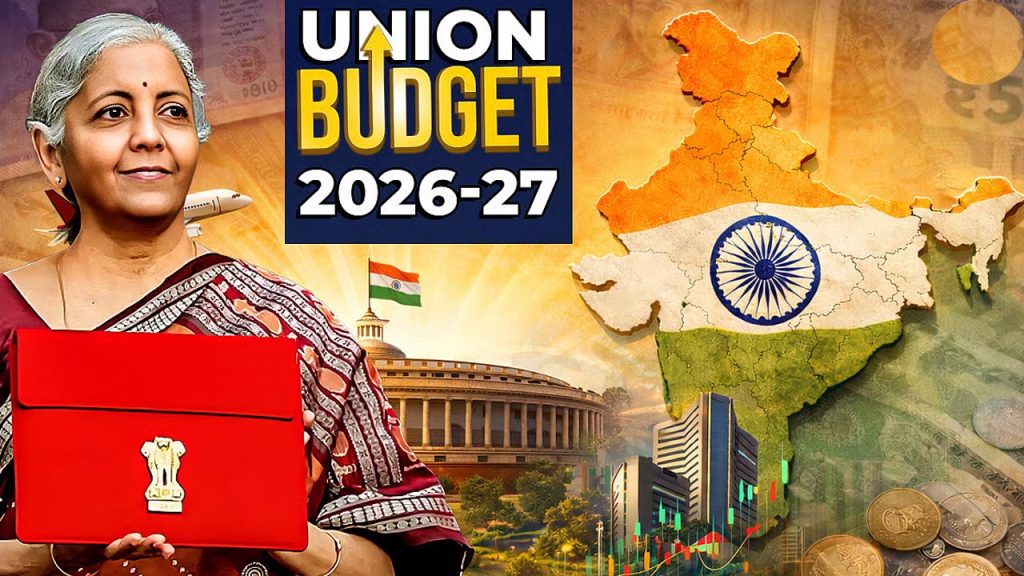
The Union Budget 2026–27 frames itself as a strategy for growth, capacity building, and competitiveness. The deeper question, however, concerns translation. Can this growth reshape everyday outcomes for women and the girl child? Can higher allocations strengthen health, education, skilling, safety, and economic agency in ways that endure? Budgets signal priorities. Outcomes reveal intent.
Growth through women-centred capacity
The Budget places strong emphasis on health capacity, allied skilling, education continuity, and care infrastructure. Together, these pillars offer a pathway toward women-led development, if policymakers apply a gender-intentional lens.
Women’s labour force participation, adolescent health indicators, and long-term human capital outcomes remain closely linked. Progress in one domain reinforces gains in another. Fragmented interventions weaken impact. Integrated design multiplies it.
Health as the first lever of gender equity
Public investment in health influences women’s lives more directly than most fiscal instruments. Improved maternal care, stronger nutrition support for adolescent girls, and reduced caregiving burdens shape both economic participation and well-being.
Higher health spending strengthens primary and secondary facilities. Expansion of the allied health workforce speeds diagnostics, maternal services, and outreach. Improved access at local levels reduces travel time, lowers out-of-pocket costs, and increases service uptake by women and girls.
Public health economics consistently shows that proximity and reliability of services benefit women disproportionately. When clinics operate closer to home, women seek care earlier and more often.
Yet spending alone does not ensure results. State-level disbursal, staffing capacity, and last-mile delivery remain decisive.
Education and the girl child: continuity over coverage
Girls’ school retention depends on more than enrolment numbers. Dropout links closely with sanitation gaps, safety concerns, nutrition insecurity, and household health shocks.
Sustained investment in education and nutrition improves attendance and learning outcomes. School health and sanitation infrastructure reduces adolescent dropout. Clear pathways from secondary education to vocational skilling strengthen transitions into the workforce.
Evidence repeatedly shows that girls stay in school longer when health, nutrition, and safety work together rather than in isolation.
The Budget framework requires reinforcement through targeted scholarships, safe transport, and district-level monitoring. Without these safeguards, leakage persists.
Skilling and employment: unlocking economic agency
Healthcare, diagnostics, wellness, and care services rank among the most female-intensive growth sectors worldwide. Expansion in allied health and short-cycle skilling offers a realistic route to women’s employment.
Job-linked training accelerates employability. Local institutions combined with rising healthcare demand create predictable wage work. Support for self-help groups and MSMEs strengthens incomes and financial autonomy.
Even modest employment shifts produce meaningful gains. If allied health expansion creates one lakh jobs over several years, and women secure forty percent, the economy gains forty thousand new formal roles for women. Such sectors generate strong multiplier effects within households and communities.
Gender outcomes, however, depend on enabling conditions. Stipends, hostel safety, transport access, and employer hiring norms matter as much as training seats.
Care, safety, and inclusion: the invisible infrastructure
Care functions as economic infrastructure. Childcare and eldercare reduce unpaid work burdens that limit women’s participation. Safety investments influence family decisions on girls’ education and employment. Disability-inclusive design determines access for the most excluded women and girls.
These areas deliver high returns but suffer chronic under-implementation. Execution remains the central risk.
A system, not silos
Health keeps girls in school. Education enables skilling. Skilling connects to employment. Care and safety make participation possible.
Budgets that align these elements achieve far stronger gender outcomes than those that fund them separately.
What to watch
Policymakers and advocates must track:
State-wise releases and utilisation
Gender-disaggregated enrolment and employment data
Girl-child retention and school-to-work transition rates
Safety, transport, and hostel availability around skilling hubs
Outlays signal intent. Outcomes confirm it.
Cautious optimism with accountability
The Union Budget 2026–27 framework offers the right building blocks for women-led development. Health capacity, education continuity, skilling, and care infrastructure together create opportunity.
Success depends on gender-intentional implementation, state capacity, and transparent monitoring. Optimism makes sense. Scrutiny remains essential.
Growth must reach women and girls—not as beneficiaries, but as drivers of India’s future.